what is Limb-Girdle
Muscular Dystrophy?
Limb-girdle muscular dystrophy (LGMD) is a group of inherited neuromuscular diseases with at least 34 variants, or subtypes, that all cause progressive muscle weakness.
Muscular dystrophy refers to a class of diseases that involves weakness and deterioration of muscles, causing loss of ambulation, movement, and eventually affecting the heart and lungs.
The 4th most common muscular dystrophy – LGMDs collectively affect an estimated 1.63 per 100,000 (both male and female) globally.
LGMD is caused by genetic mutations in genes responsible for proteins critical to muscle function, regulation, and repair. Inherited in an autosomal recessive nature - LGMD can affect both male and female equally.
Of the 34 LGMD subtypes, less than 5 subtypes have a treatment being tested in clinical trials currently world-wide, demonstrating a tremendous unmet need for research and development for these ultra-rare diseases.
WHAT IS LGMD 2C?
Gamma Sarcoglycanopathy
-
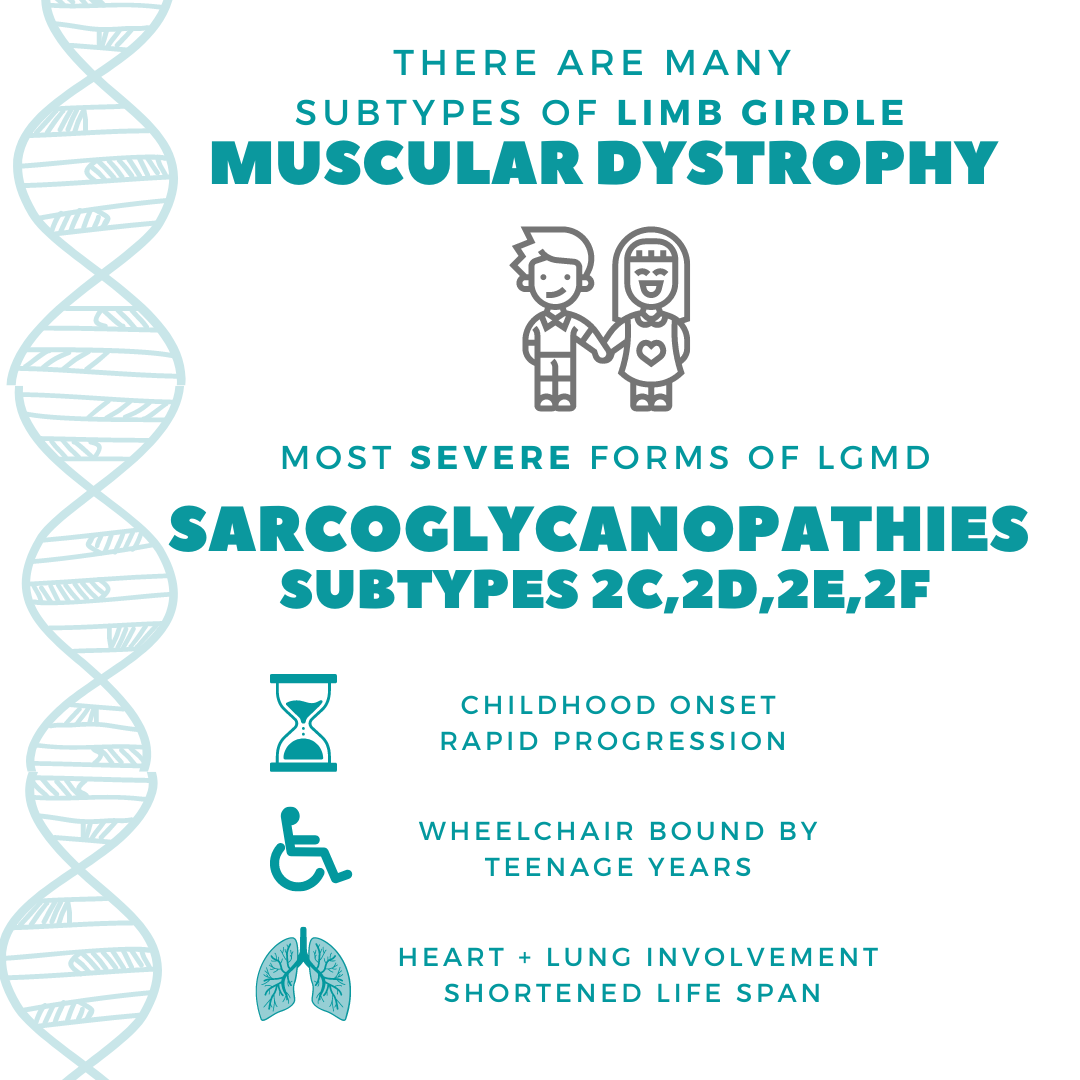
Limb-girdle muscular dystrophy type 2C (LGMD2C) or gamma-sarcoglycanopathy, is considered one of the severe forms of childhood-onset muscular dystrophy.
A genetic mutation in the sarcoglycan complex causing progressive muscle wasting and weakness.
The sarcoglycan complex is made up of four proteins: alpha, beta, gamma and delta. Accounting for LGMD 2C-F. The sarcoglycan complex is responsible for proteins associated with the sarcolemma- the membrane that protects muscle from force during contraction.
An autosomal recessive subtype, LGMD2C can be present in both males and females, and without any familial history of muscular dystrophy.
LGMD2C is generally very debilitating, with a Duchenne-like phenotype. Disease progression varies between patients.
Gene mutation: SGCG
Protein involved: gamma-sarcoglycan
Age of first symptoms: typically 1-15 years.
-
Weakness of hip muscles of arms and legs, leading to difficulties with running and walking
Enlargement of calf muscle, and sometimes, heart
Protrusion of the shoulder blades and extreme curvature of the lower back
Late progression may involve scoliosis (curving of the spine) and joint contractures (hardening and deformity of connective tissues that cause stiffness and restrict movement)
Patients can progress to wheelchair dependence by ~15 years
May involve breathing difficulties and heart problems
Elevated levels of creatine kinase (CK, an enzyme released into the blood when muscles are damaged)
-
The sarcoglycanopathies as a group (LGMD2C-LGMD2F) are a common cause of LGMDs, accounting for 3–18%, with a high percentage of severe cases. As with other LGMDs, different sarcoglycanopathies are overrepresented or underrepresented in different populations.
In recent worldwide prevalance research ,”our disease prevalence estimation for subtype LGMD2C (0.12 per million) was notably lower than the lowest published value (1.3 per million).” (Liu, et al. “Estimating prevalence for limb-girdle muscular dystrophy based on public sequencing databases.”)
-
Currently, no.
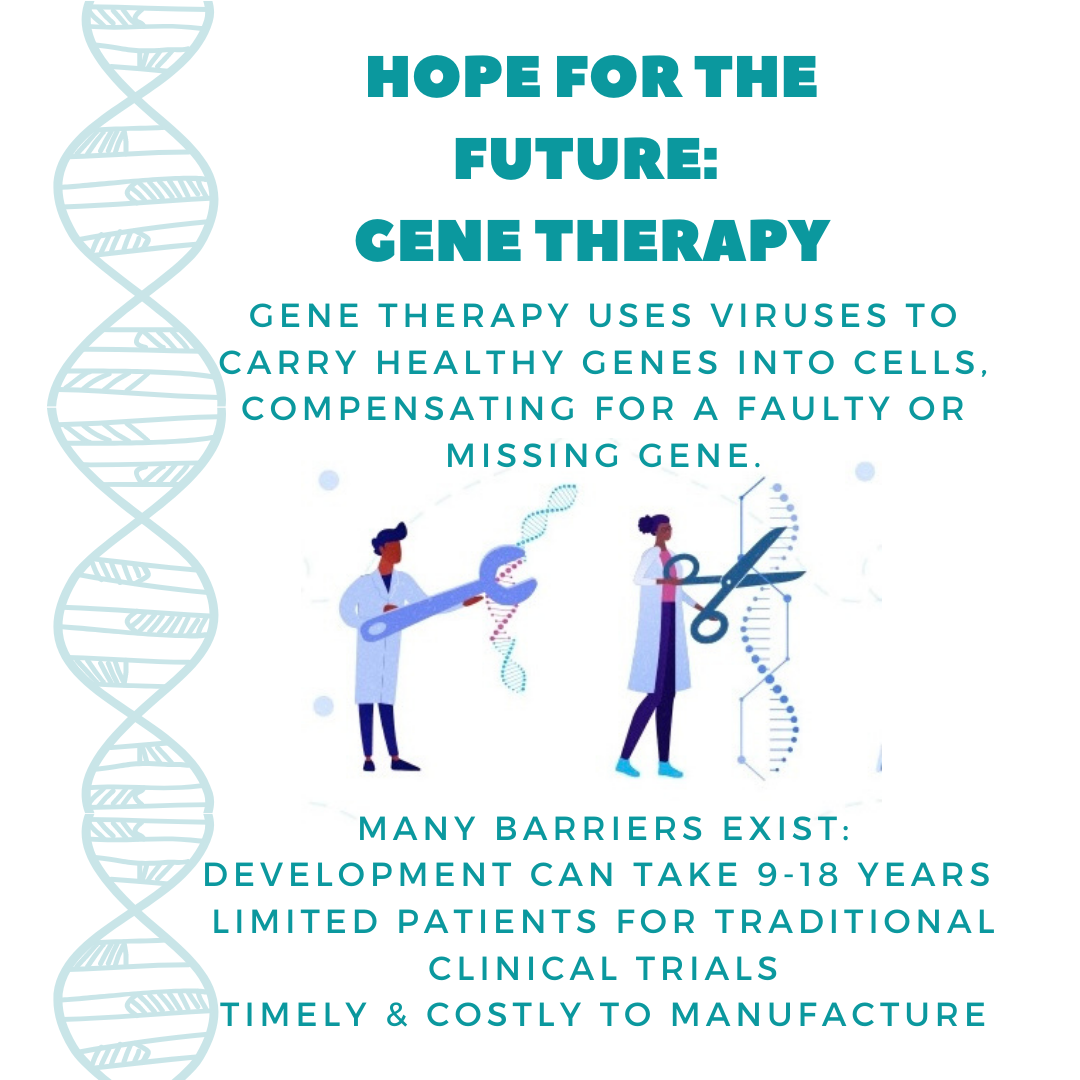
Pharmaceutical companies have gene therapy treatments for the sarcoglycanopathies in their pipeline, but many barriers to research, development and production exist. Our goal at the Dion Foundation is to expedite scientific research and treatment developments.
HOW IS IT INHERITED?
AUTOSOMAL RECESSIVE INHERITANCE
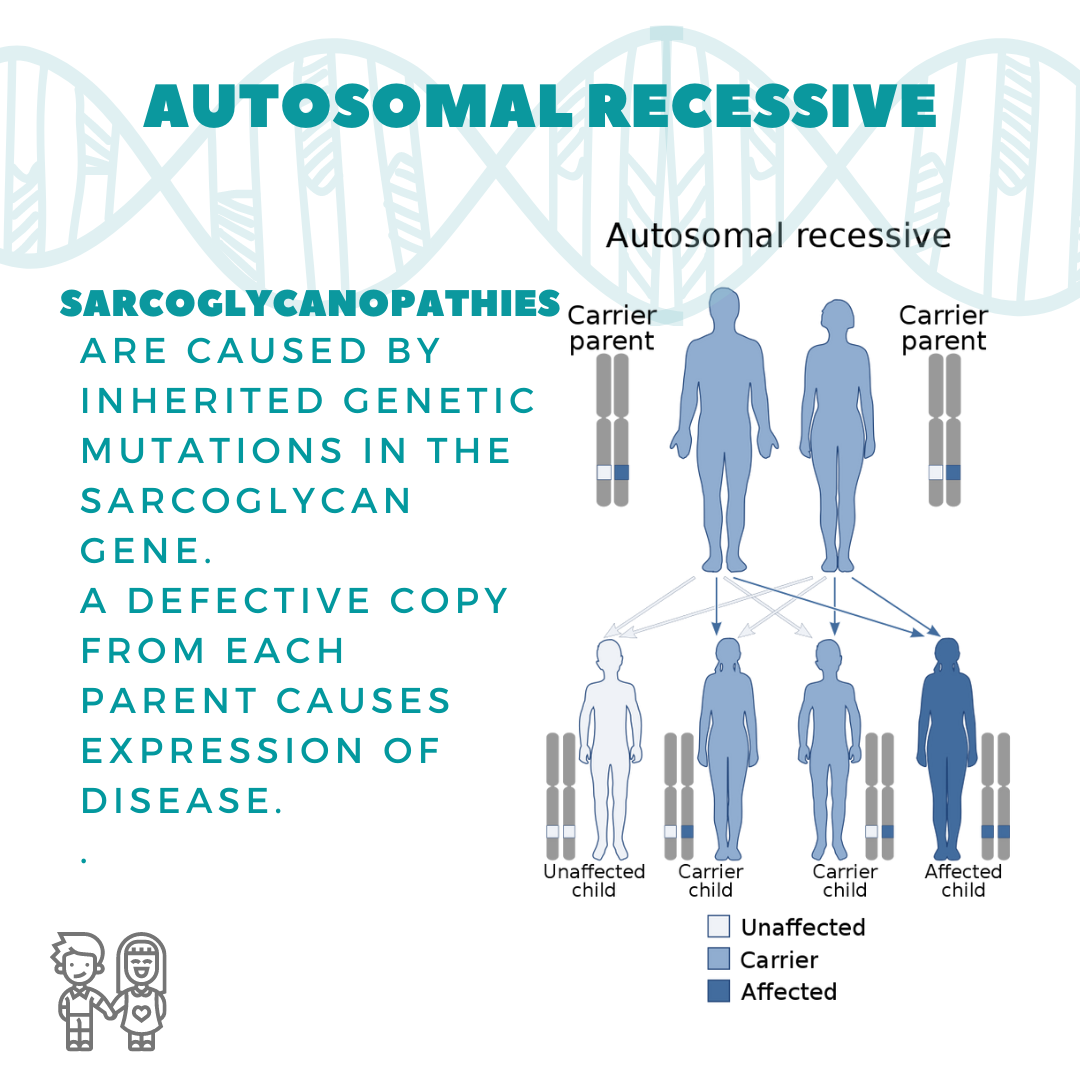
Two copies of each gene are inherited: one from each parent.
Recessive mutations require two mutated copies for disease to develop. Recessive genetic diseases are typically not seen in every generation of an affected family. The parents of an affected person are generally carriers: unaffected people who have a copy of a mutated gene. If both parents are carriers of the same mutated gene and both pass it to the child, the child will be affected.
In recessive inheritance patterns when both parents carry a mutation:
25% the child is affected by disease with two mutated genes
50% the child is a carrier of the disease with one mutated gene
25% the child is neither affected nor a carrier of mutated gene
American Society of Gene + Cell Therapy
Learn more about LGMD and Gene therapy
American Society of Gene + Cell Therapy explains the methods of gene therapy for LGMD. VISIT ASGCT.